A level surface is only part of the answer
A sunken driveway, uneven walkway or patio that holds water can make concrete lifting sound like the quick answer. Before committing, ask a more important question: why did the slab move? If the proposed work does not address the cause, you could spend money on a surface adjustment and still face further repairs. When the existing concrete is badly damaged or the site needs substantial correction, removal and replacement deserves a serious look.
What concrete lifting can do
Concrete lifting, often called slabjacking, raises a settled slab by introducing material beneath it. Depending on the method, that may involve a cement-based grout or expanding polyurethane. Industry pavement guidance recognizes lifting as a repair option for localized settlement. It is not automatically a temporary fix, and a sound slab may be a suitable candidate after assessment.
When replacement offers more than leveling
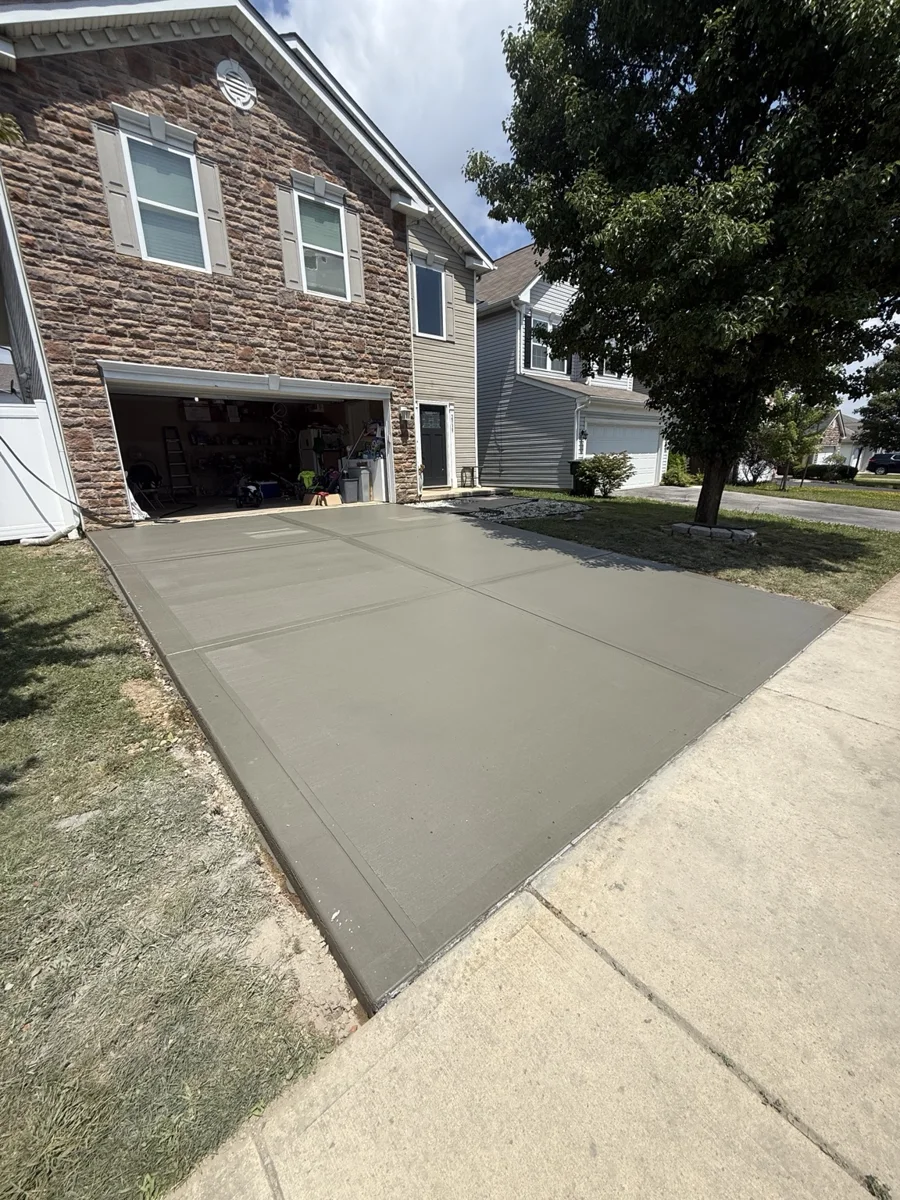
Replacement lets the contractor remove damaged concrete and review the exposed support before building the new surface. It also creates an opportunity to revise a poor layout, address transitions and plan drainage as part of the scope. If you dislike the current shape, need a different finish or have deterioration beyond a simple height difference, lifting the old slab does not deliver those changes. A new pour can address both the condition and the way you want to use the space.
Ask what is happening below the slab
Water movement, loss of support and settlement deserve attention before selecting a repair. Federal Highway Administration guidance emphasizes addressing underlying causes when stabilizing concrete pavement. That guidance concerns pavement systems, not a diagnosis of your driveway, but the practical question is valuable: what caused the movement, and what work will address it? Neither lifting nor replacement should be sold as a substitute for understanding the site.
Cracked or worn concrete does not become new when it is lifted
Changing the elevation does not renew a deteriorated surface or remove existing cracks. If the slab already needs extensive repair, compare the full lifting-and-repair proposal with removal, preparation and replacement. Discuss whether the existing concrete is worth preserving and what the finished result will look like. Replacement can be the clearer choice when the old surface itself is the problem.
Compare the complete solution
Ask for the proposed work in writing: what will be removed or retained, how the supporting area will be addressed, what drainage work is included and what conditions are excluded. Avoid choosing solely on the smallest initial number. The goal is to pay for work that fits the actual problem. A new slab can also settle if its supporting conditions remain unsuitable, so preparation matters whichever direction you choose.
Discuss a replacement with AMGS
If you are weighing concrete leveling against a fresh start, send August wide photos, close-ups of the affected area and your city. Explain whether the surface has moved, cracks have changed or water collects after rain. Explore our driveway replacement, walkway and patio services, then request a project-specific replacement quote.